
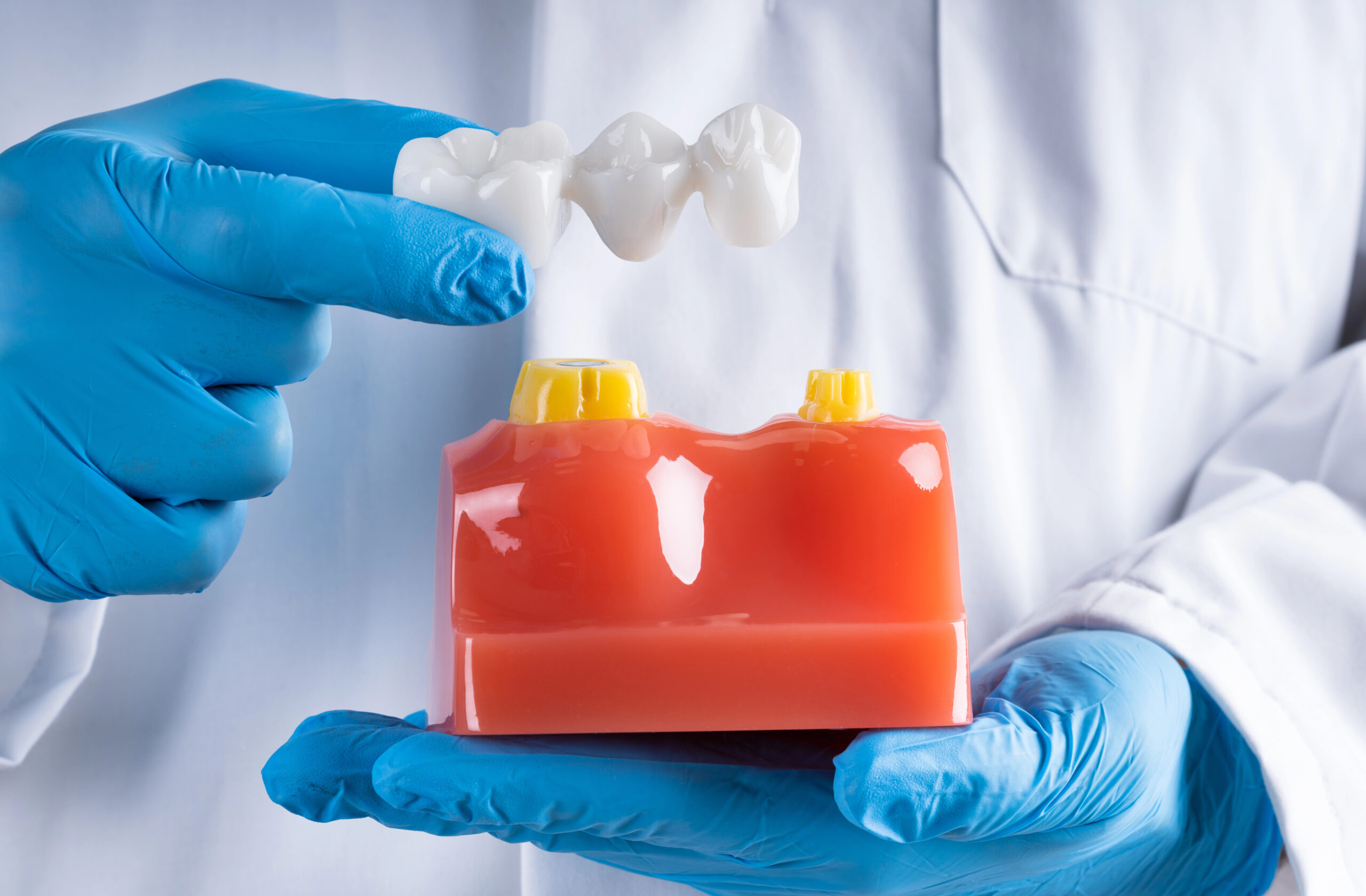
Can dental bridges without crowns be a viable option for tooth replacement? Dental bridges without crowns can be possible in certain cases where the surrounding teeth are healthy and strong enough to support the bridge. Understanding the specific conditions and limitations is essential for determining if this approach is suitable.
Dental bridges without crowns
Understanding the basics of dental bridges is essential for anyone considering restorative dental options. Dental bridges without crowns are a type of dental restoration that can replace missing teeth by anchoring a false tooth directly to adjacent teeth or implants, without the need for crowns on the supporting teeth. This approach can be suitable in certain situations where the surrounding teeth are healthy and do not require additional coverage or support.
When exploring dental restoration options, it’s important to understand the differences between various solutions. For those interested in learning more about how dental bridges compare to other options, such as implants, you can explore further by visiting our page on Dental Bridges vs Implants: Choosing the Right Solution for Your Needs.
Types of Dental Bridges
Dental bridges without crowns are a versatile solution for replacing missing teeth, and understanding the different types can help in making informed decisions. Traditional bridges, which typically involve crowns, are not the only option available. Cantilever bridges, for instance, are used when there is only one adjacent tooth next to the gap. These bridges rely on a single abutment tooth for support, making them a potential choice for specific dental situations.
Another type is the Maryland bridge, which uses a metal or porcelain framework bonded to the back of adjacent teeth. This type of bridge does not require crowns on the neighboring teeth, making it a suitable option for those seeking dental bridges without crowns. For more information on options available in your area, visit our page on Affordable Dental Bridges Santa Rosa.
Benefits of Dental Bridges
Dental bridges without crowns offer a range of benefits for individuals seeking to restore their smile and improve oral functionality. These bridges can effectively fill gaps left by missing teeth, helping to maintain the natural shape of the face and prevent remaining teeth from shifting out of position. By providing a stable solution, dental bridges without crowns can enhance chewing efficiency and speech clarity, contributing to overall oral health and well-being. Additionally, they can boost confidence by restoring a complete and aesthetically pleasing smile.
Dental Bridge Materials
When considering dental bridges without crowns, it’s essential to understand the various materials used in their construction. Dental bridges can be made from a range of materials, including porcelain, ceramic, metal alloys, and composite resin. Each material offers different benefits in terms of durability, aesthetics, and cost. Porcelain and ceramic are often chosen for their natural appearance, while metal alloys provide strength and longevity. Composite resin is another option that can be tailored to match the color of natural teeth. For those exploring dental bridges without crowns, understanding these material options can help in making informed decisions about dental restorations. For more information on dental care options, visit Stony Point Dental Care, your trusted Santa Rosa Dentist.
Dental Bridge Procedure Overview
Dental bridges without crowns are a restorative option for replacing missing teeth, providing a seamless solution that blends with your natural smile. The procedure typically involves anchoring the bridge to adjacent teeth or dental implants, creating a stable and functional replacement for the missing tooth or teeth. This approach can be beneficial for those who prefer not to have crowns placed on their adjacent teeth, maintaining more of the natural tooth structure. The process is designed to restore both the appearance and function of your teeth, ensuring a comfortable and aesthetically pleasing result.
Comparing Bridges and Crowns
When considering dental restoration options, it’s important to understand the differences between dental bridges and crowns. Dental bridges without crowns are a viable option for some patients, offering a way to replace missing teeth without the need for additional crown placement on adjacent teeth. While traditional bridges often require crowns to anchor the bridge securely, dental bridges without crowns can provide a more conservative approach, preserving more of the natural tooth structure. Both solutions aim to restore function and aesthetics, but the choice between them depends on individual dental needs and conditions.
Potential Risks and Complications
When considering dental bridges without crowns, it’s important to be aware of potential risks and complications. These can include issues such as improper fit, which may lead to discomfort or difficulty in chewing. Additionally, without the support of crowns, there is a possibility of increased stress on the surrounding teeth, potentially leading to damage or misalignment over time. It’s also possible for the bridge to become loose or dislodged, which can affect oral function and aesthetics. Understanding these potential complications is crucial for anyone exploring the option of dental bridges without crowns.
Maintenance of Dental Bridges
Proper maintenance of dental bridges without crowns is essential to ensure their longevity and functionality. Regular oral hygiene practices, such as brushing and flossing, play a crucial role in keeping the bridge and surrounding teeth clean and free from plaque buildup. It’s important to maintain a consistent routine to prevent any potential issues that could compromise the integrity of the dental bridge. Additionally, routine dental check-ups are vital for monitoring the condition of the bridge and ensuring that it remains in optimal condition over time.
Cost Considerations for Dental Bridges
When exploring dental bridges without crowns, it’s important to consider the potential cost implications. The price of dental bridges can vary significantly based on factors such as the materials used, the complexity of the procedure, and the geographic location of the dental practice. While dental bridges without crowns might offer a different cost structure compared to traditional options, understanding the overall expenses involved is crucial for making informed decisions about dental care.
Conclusion
Discover more about dental bridges without crowns and explore your options by calling (707) 5759200 or checking out reviews on Google Maps.


