
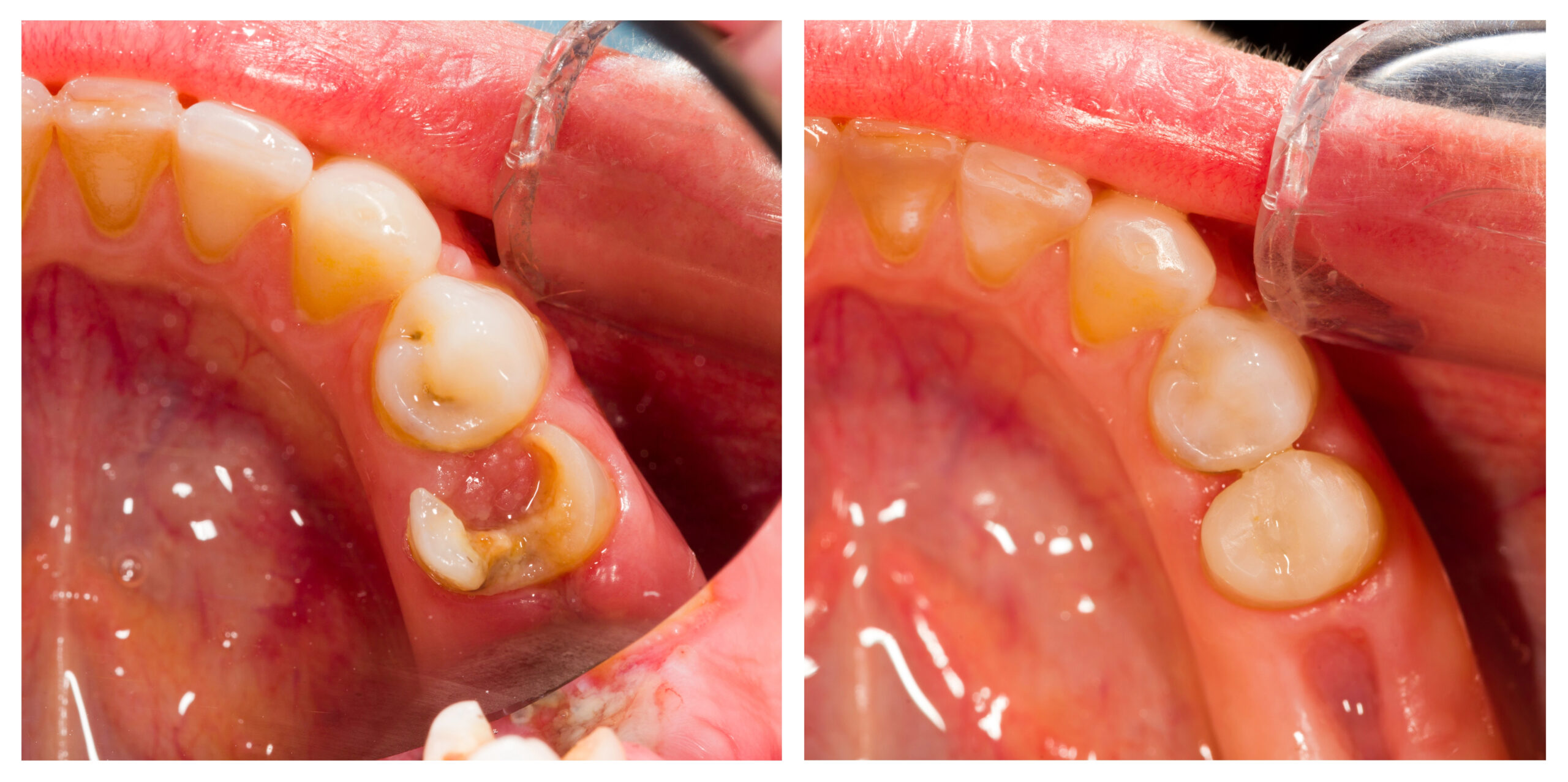
How long can you expect composite filling durability to last? Generally, composite fillings can last anywhere from 5 to 10 years, depending on factors like oral hygiene and the location of the filling. Regular dental check-ups can help monitor their condition over time.
Composite Filling Durability
Composite filling durability is influenced by several factors that can affect how long these dental restorations last. One of the primary factors is the location of the filling in the mouth. Fillings in areas that experience high pressure from chewing, such as molars, may wear down more quickly than those in less stressed areas. Additionally, the size of the filling plays a role; larger fillings may be more prone to cracking or chipping over time. The patient’s oral hygiene habits and diet also significantly impact the longevity of composite fillings, as poor oral care and a diet high in sugary or acidic foods can lead to faster deterioration.
Another important factor affecting composite filling durability is the skill and technique of the dentist during placement. Proper bonding and curing techniques are essential for ensuring a strong and lasting restoration. The quality of the composite material used can also vary, influencing how well the filling withstands daily wear and tear. Regular dental check-ups are crucial for monitoring the condition of composite fillings and addressing any issues before they become significant problems. For more insights into why many choose this type of dental restoration, explore our article on Composite Filling Benefits: Why Patients Prefer Them.
Average Lifespan of Composite Fillings
Composite filling durability is a common concern for many individuals seeking dental restorations. On average, composite fillings can last anywhere from 5 to 7 years, depending on various factors such as oral hygiene practices and the location of the filling. These fillings are designed to blend seamlessly with natural teeth, providing both aesthetic appeal and functional support. However, their lifespan can be influenced by habits like teeth grinding or consuming hard foods, which may lead to wear and tear over time.
While composite fillings offer a reliable solution for dental restoration, it’s important to understand that their longevity can vary. Regular dental check-ups can help monitor the condition of these fillings and ensure they remain effective. For those interested in learning more about composite filling durability or seeking professional dental services, consider exploring Composite Fillings Near Santa Rosa for further information.
Composite vs. Amalgam Durability
When considering composite filling durability, it’s essential to compare it with amalgam fillings. Composite fillings, made from a mixture of plastic and fine glass particles, are known for their aesthetic appeal, blending seamlessly with natural teeth. However, they generally have a shorter lifespan compared to amalgam fillings, which are composed of a combination of metals including silver, mercury, and tin. Amalgam fillings are renowned for their strength and longevity, often lasting 10 to 15 years or more, whereas composite fillings typically last around 5 to 7 years. The choice between these materials often depends on factors such as the location of the filling and personal preferences regarding appearance and material composition.
Role of Oral Hygiene Practices
The durability of composite fillings is significantly influenced by oral hygiene practices. Regular brushing and flossing help maintain the integrity of the fillings by preventing plaque buildup, which can lead to decay around the filling edges. Consistent oral care routines contribute to the longevity of composite fillings, ensuring they remain effective for years. For more information on maintaining your dental health, visit Stony Point Dental Care, your trusted Santa Rosa Dentist.
Impact of Dietary Habits
Dietary habits can significantly influence composite filling durability. Consuming foods and beverages high in sugar and acid can lead to increased wear and tear on dental fillings, potentially reducing their lifespan. Frequent exposure to such substances may weaken the bond between the filling and the tooth, making it more susceptible to damage. Additionally, habits like chewing on hard objects or consuming sticky foods can further compromise the integrity of composite fillings, affecting their overall durability.
Influence of Bruxism on Fillings
Bruxism, commonly known as teeth grinding, can significantly impact composite filling durability. The excessive pressure and friction caused by grinding can lead to premature wear and tear of the fillings, reducing their lifespan. While composite fillings are designed to withstand normal chewing forces, the constant stress from bruxism can cause them to crack or chip more easily. This condition may necessitate more frequent dental visits to assess and maintain the integrity of the fillings, ultimately affecting their overall durability.
Regular Dental Check-Ups Importance
Regular dental check-ups play a crucial role in maintaining the longevity of composite filling durability. These routine visits allow dental professionals to monitor the condition of your fillings, ensuring they remain intact and functional over time. By identifying any potential issues early, such as wear or damage, regular check-ups help in preserving the effectiveness of composite fillings, ultimately contributing to their overall durability.
Signs of Filling Wear and Tear
Composite filling durability can vary, but over time, signs of wear and tear may become evident. These signs can include noticeable discoloration, where the filling may appear darker or stained compared to its original shade. Additionally, you might observe a change in texture, such as roughness or uneven surfaces, which can indicate that the filling is wearing down. Sensitivity to hot or cold temperatures might also develop, suggesting that the composite filling durability is compromised. In some cases, small cracks or chips may appear, signaling that the filling is nearing the end of its lifespan.
Advances in Composite Filling Materials
Recent advances in composite filling materials have significantly enhanced composite filling durability, making them a popular choice for dental restorations. Innovations in resin technology and filler particle composition have improved the strength and wear resistance of these materials, allowing them to withstand the pressures of daily use more effectively. These developments have also contributed to better aesthetic outcomes, as modern composites can closely mimic the natural appearance of teeth. As a result, patients can enjoy longer-lasting fillings that maintain their functionality and appearance over time.
Conclusion
For more information on composite filling durability, call us at (707) 575-9200 or check out our Google Maps reviews.


